
Self-Care Routine Planners
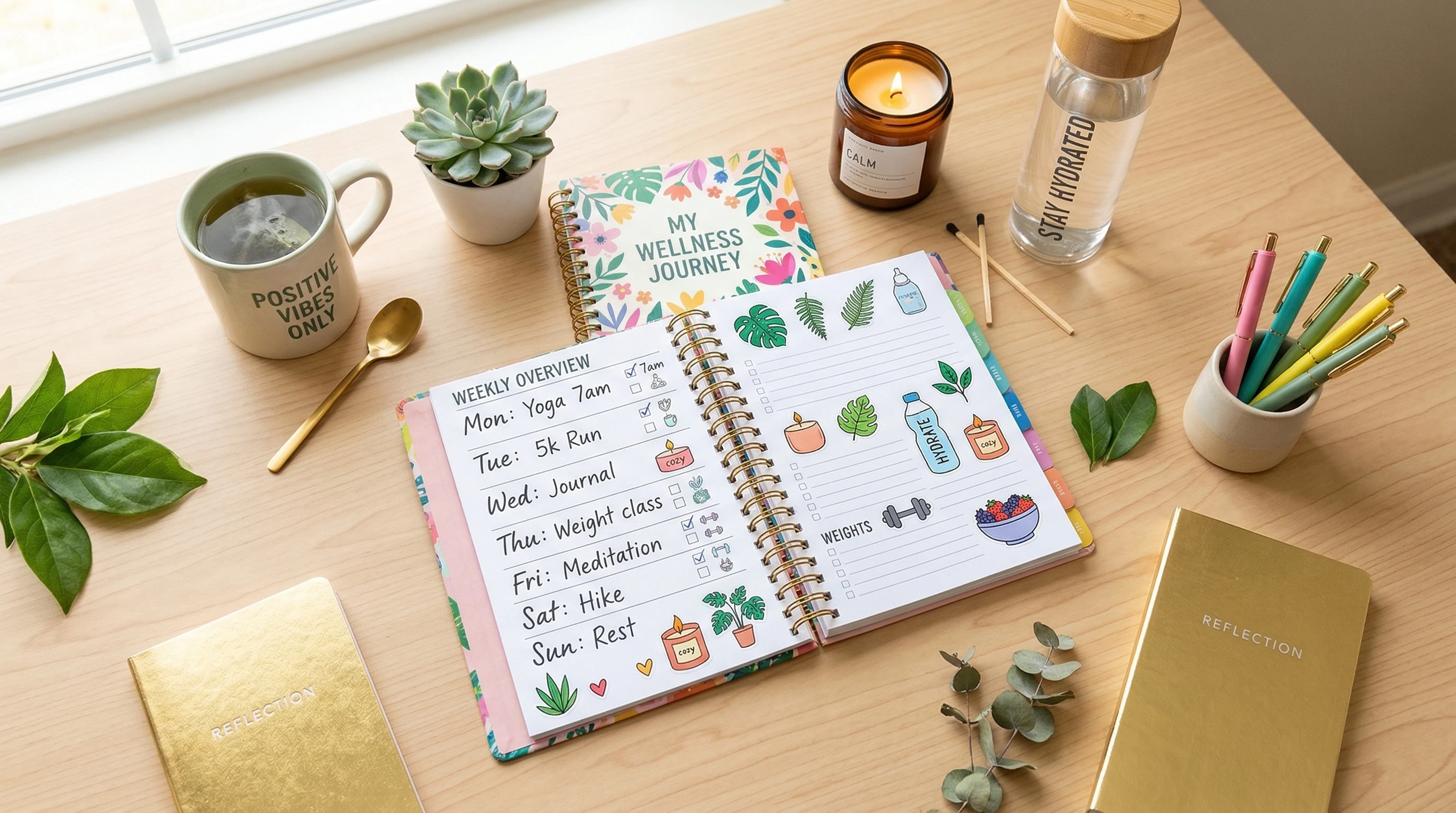
Keeping up with self-care can feel challenging, especially with a packed schedule and endless distractions. Using a selfcare routine planner is a super useful way to keep your health and happiness at the forefront.
I’ve found that having one not only reminds me that my health is one of my top priorities, but also helps turn small, positive habits into a regular part of my day. Plus, it’s a great way to track your progress and spot areas where you might need to focus a little more attention to maintain balance in your life.
Why Use a Self-Care Routine Planner?
Life moves quickly and it’s really easy to put your own wellbeing on the back burner. That’s where a selfcare routine planner comes in handy. It acts as a daily check-in, helping you remember what’s important for your mind and body.
Trying to keep track of exercise, meals, water intake, skincare, and simple relaxation can feel overwhelming when you’re just keeping notes in your head or scattered across sticky notes.
With everything in one place, you have a clear plan for taking care of yourself, even when things get hectic. Setting up routines for sleep, movement, and time to relax locks in your personal wellness and no guesswork is needed.
- Accountability: When I write down or track my selfcare steps, I’m way more likely to follow through.
- Motivation: Checking off routines or seeing a record of my progress is motivating, even on tougher days.
- Stress Reduction: Having a routine to follow frees up my mental energy, so I waste less time wondering what I should be doing.
Health & Wellness Fundamentals
Selfcare planners go way beyond taking a nice long bath or applying face masks. A good planner helps cover the basics; sleep, nutrition, hydration, movement, and downtime. By tracking these, you get a better sense of what’s working and what needs tweaking.
For example, a while back I wasn’t getting very good sleep. I started logging my bedtime and wake times. I noticed patterns that helped me make changes and I started sleeping better.
Planners with reminders for water intake, healthy meal planning, and short movement breaks give structure that’s really helpful for keeping wellness goals realistic. They also support you in staying in tune with your mood and energy, so you can aim for a more balanced lifestyle overall.
- Sleep Tracking: Helps spot patterns and improve your rest quality.
- Meal & Snack Logs: Keeps nutrition on track and cuts down on impulsive choices.
- Activity Reminders: Encourages small bursts of movement to balance out a busy or sedentary day.
- Mood Journals: Helps pinpoint triggers and celebrate little wins for your mental wellbeing.
You may want to read: Holistic Approach to Combat Fatigue
Building and Keeping Positive Habits
Positive habits shape your day, but getting started is often the hardest part. Selfcare planners can break your larger goals into bite sized, achievable steps. Think five minutes of stretching, a moment of gratitude, or some quiet reading. Over time, these habits stick and require less effort to maintain.
Using a habit tracker section to mark off small wins made a difference for me. On tough days, just seeing a row of checked boxes kept me going and reminded me that selfcare didn’t have to be complicated. It’s about consistency, not perfection.
Planners with habit tracker charts, stickers, or colorful layouts make the process even more fun and satisfying. You can even personalize your planner with creative touches or rewards for staying on track, which boosts that sense of accomplishment and motivation.
You May Also Want to Read: Holistic Approach to Combat Fatigue
How to Choose the Right Self-Care Planner
Picking the right planner depends on your personal style. Some folks like digital planners that send reminders straight to their phone, while others prefer notebooks or printable sheets to fill out by hand. I’ve experimented with both, and sometimes even use a mix depending on what’s working for me in the moment. Look for features that suit your routine, such as:
- Space for daily, weekly, or monthly routines
- Custom sections for your unique goals
- Inspirational quotes or self reflection prompts
- Easy to read layouts and attractive design
It’s worth checking out different templates, apps, or even DIY options until you find what actually fits into your lifestyle and not the other way around. A planner should work for you and make it easy to keep up with your wellness habits, not add more stress or become another unchecked item on your to-do list.
Start Your Self-Care Adventure
The best time to start using a selfcare routine planner is now, even if you keep it simple at first. Planning time for yourself isn’t selfish; it just makes it easier to follow through and keep wellness from falling to the bottom of your priorities.
Whether you want to build better habits, track your progress, or just stay accountable, a selfcare planner is a pretty handy tool to keep you on track. If you’re new to selfcare planners, try setting one small goal each week, like drinking more water or taking a short walk every evening. Over time, these small changes build into meaningful improvements in how you feel.
Ready to make your wellbeing a priority? Explore some planner options today and see how much of a difference a little structure can make for you. Give yourself some grace, keep your goals reasonable, and celebrate your wins along the way. Your future self will thank you.
Share Your Tips!
Do you use a selfcare routine planner or have any favorite tools for sticking to healthy habits? I’d love to hear what’s worked for you. Drop your tips or questions below so we can all help each other stay on track and make our personal wellbeing a bigger focus in daily life.